Escape attempt to Pakistan
The escape attempt to Pakistan represents the most daring act of resistance Laila and Mariam undertake together during their years of shared captivity under Rasheed. Planned in secret over many months, the flight is born from a desperate conviction that staying means slow destruction, while leaving—however dangerous—offers the only chance for a life worth living. The attempt fails catastrophically, but its consequences reshape the relationship between the two women and accelerate the violence that will ultimately lead to Rasheed's death.
Planning and Preparation
For more than a year, Laila had been stealing small amounts from Rasheed's wallet, hiding the money in a pouch sewn into the lining of her winter coat. She pawned her wedding ring the day before the escape, walking out of the shop thrilled by the finality of the transaction. The plan was to take a bus from the Lahore Gate bus station in East Kabul to Peshawar, Pakistan, where Laila hoped to find Tariq—whom she believed dead but whose memory still drove her. She persuaded Mariam to come, and Mariam, who had never before dared to defy her husband, agreed. The night before they left, Mariam told Laila about her own past—Jalil, Nana, the kolba—and Laila confessed that Aziza was not Rasheed's child but Tariq's. That mutual vulnerability sealed their alliance.
The Day of Departure
On the spring morning of 1994, after Rasheed left for work, Laila and Mariam packed a single suitcase and took a taxi to the bus station. Both wore burqas. Aziza sat on Mariam's lap, clutching the doll Mariam had stitched for her. At the station, they found a young man named Wakil who agreed to pose as their cousin and buy their tickets. Laila gave him an envelope containing eleven hundred afghanis—about half of what she had saved, plus the ring money. Wakil returned with tickets and told them to stay close. For a brief, giddy hour, sitting on a bench in the warm morning sun, Laila felt euphoric. She watched a stray dog limp by and leaned forward to pet its back. Mariam fed Aziza crackers and said, "The Koran says Allah is the East and the West, therefore wherever you turn there is Allah's purpose."
Interception and Interrogation
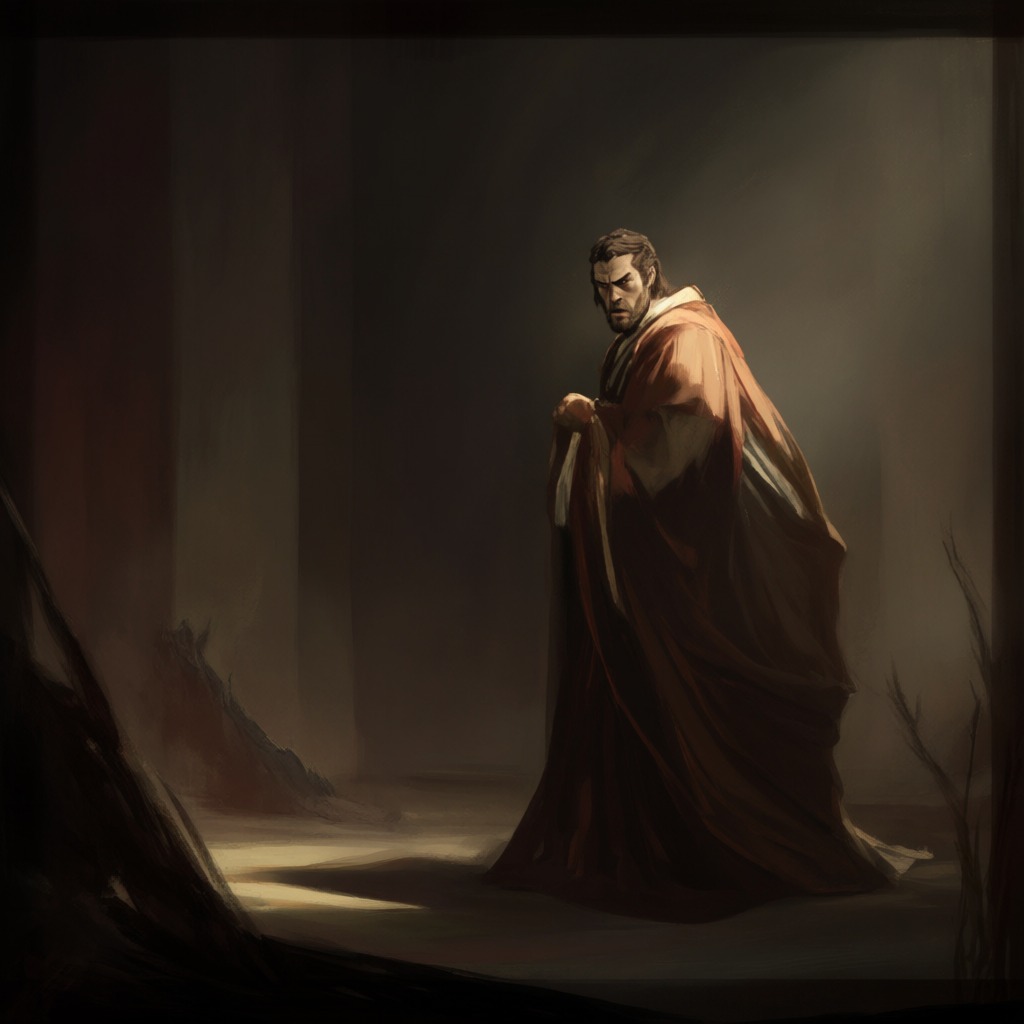
When the bus doors opened and passengers surged forward, Wakil led the way. But at the door, a young militia soldier checked tickets and exchanged a look with Wakil. The soldier pulled Laila and Mariam out of the line. "You two, with the child, step aside," he said. They were taken to a police station at Torabaz Khan Intersection, where they sat for three hours in a crowded corridor. Aziza played with a paper clip and eventually fell asleep in Mariam's lap. Laila was then brought to an interview room. The officer, a man named Rahman, questioned her relentlessly. When she claimed they were going to stay with an uncle in Peshawar, he asked for the uncle's address. Laila gave the name of the only street she knew—Jamrud Road—and when Rahman pointed out that the Pearl Continental Hotel was on Khyber Road, not Jamrud Road, her lie collapsed. He told her that running away was a crime and that women traveling alone without a male relative were routinely stopped. "If you send us back," Laila said, "there is no saying what he will do to us." Rahman replied, "What a man does in his home is his business." Mariam's interview lasted only a few minutes; she was too flustered by the rapid questions to maintain the story. A police car drove them home.
The Aftermath: Punishment and Transformation
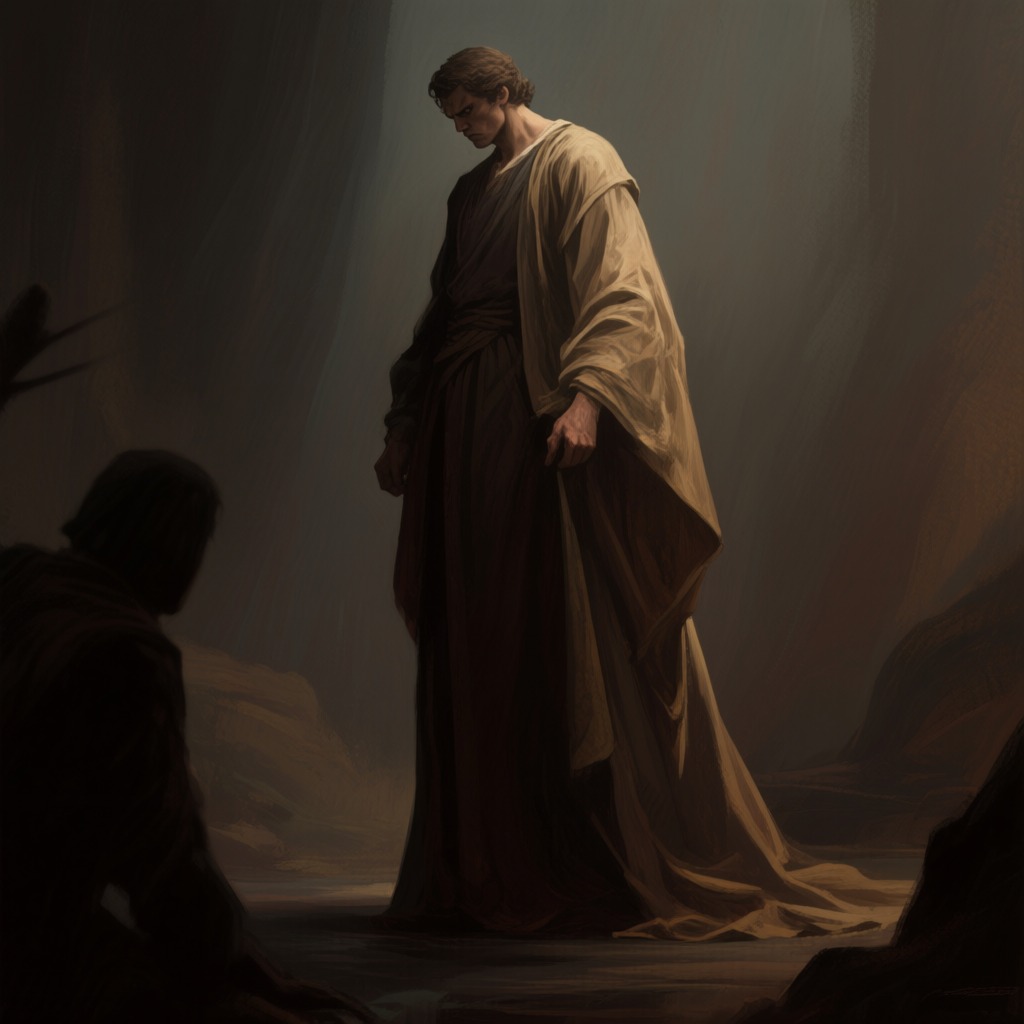
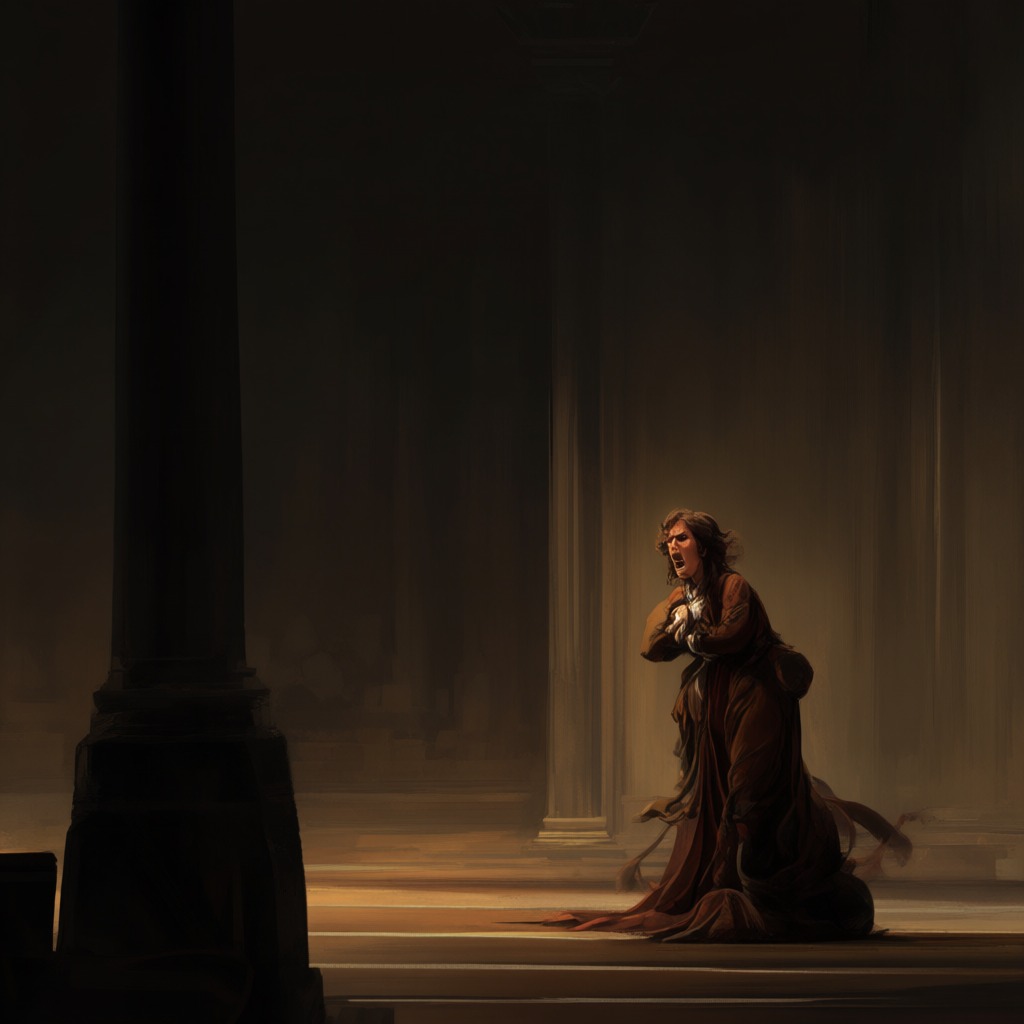
Rasheed was waiting. He grabbed Laila by the elbow and pushed her up the stairs. She tried to protect Mariam, saying, "She didn't want to do it. I made her do it." He punched her in the stomach, then dragged her by the hair, threw Aziza onto a bed, and locked Laila in Mariam's room. Downstairs, the beating of Mariam began—a methodical, familiar proceeding of thumps and crashes. Laila heard no cursing, no screaming, only the systematic business of flesh striking flesh. When it was over, Rasheed led Mariam across the yard by the nape of her neck, her shirt ripped, blood on her face and hair, and locked her in the toolshed. He nailed boards across the window of the room where Laila and Aziza were imprisoned. For three days, he gave them no food and no water. The room turned into a pressure cooker. Aziza became listless, stopped crying, stopped moving. Laila checked her daughter's breath, dreading each time that she would hear nothing. On the third day, Rasheed unlocked the door, kicked Laila in the flank, and warned that if she tried again he would kill Mariam first, then Aziza, then her. "I'll make you watch," he said.
Significance
The failed escape marks a turning point in the novel. It transforms Mariam and Laila from wary co-wives into allies bound by shared suffering and mutual protection. Mariam's willingness to take the worst of the beating—and Laila's attempt to shield her—creates a bond that will later enable them to act together against Rasheed. The escape also reveals the structural impossibility of freedom for women under the Mujahideen's rule, where the law itself enforces male control. Laila's reflection afterward—"It's all my fault. Everything is my fault"—captures the guilt that survivors of domestic violence often carry, while Mariam's quiet endurance foreshadows the strength she will summon when she finally kills Rasheed to save Laila's life.